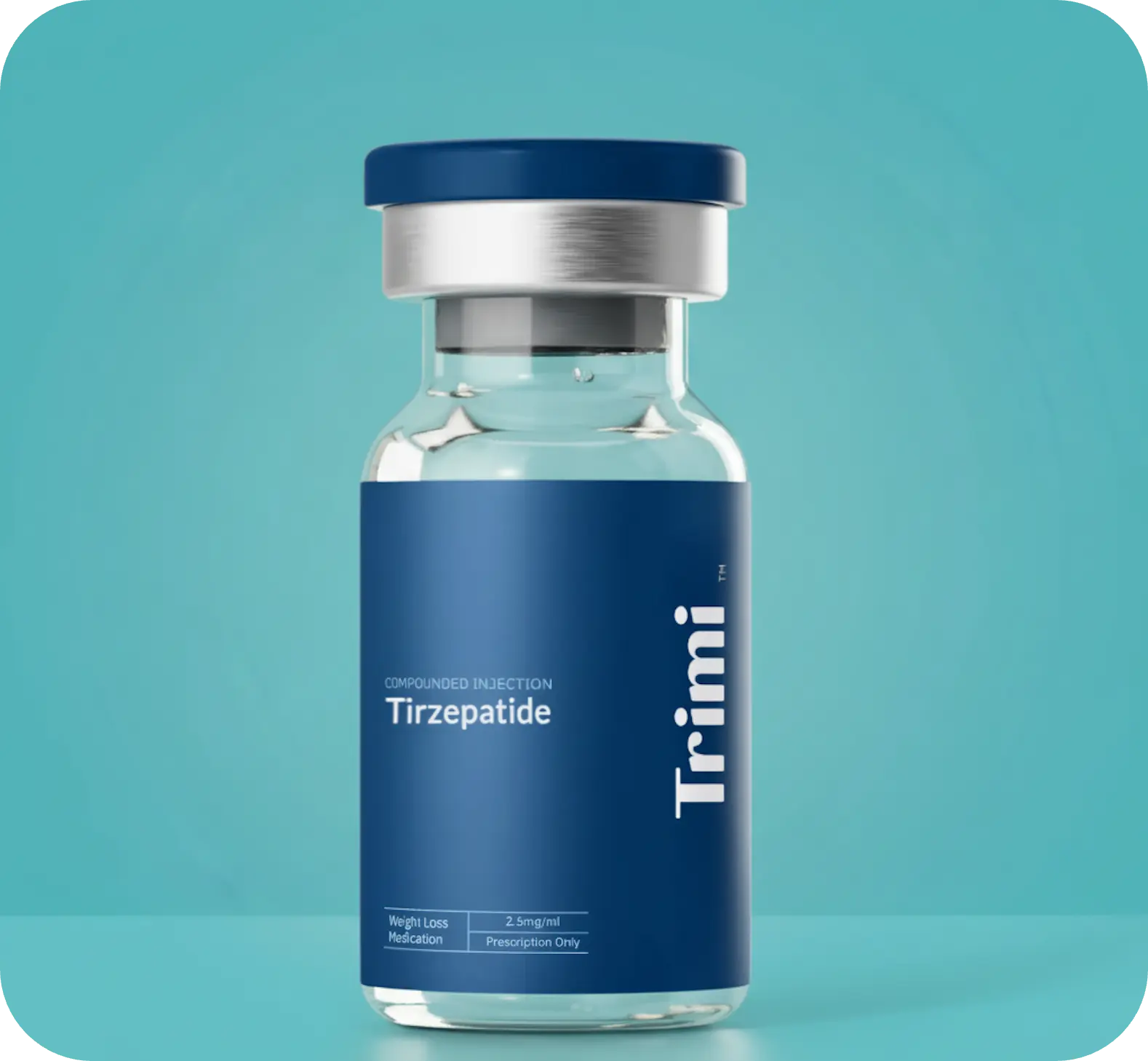
Semaglutide: The Definitive 2026 Guide
Everything you need to know about semaglutide for weight loss -- mechanism of action, clinical evidence, dosing, side effects, cost, and how to access affordable compounded options.
Semaglutide has become the most widely prescribed GLP-1 receptor agonist in the world, transforming how physicians and patients approach obesity treatment. Since its FDA approval for chronic weight management in 2021 (as Wegovy), millions of Americans have used semaglutide to achieve clinically significant weight loss. This definitive 2026 guide compiles everything you need to know -- from the science behind how it works to practical advice on getting started.
1. What Is Semaglutide?
Semaglutide is a synthetic analogue of human glucagon-like peptide-1 (GLP-1), a hormone naturally produced in the gut after eating. Developed by Novo Nordisk, semaglutide was first approved in 2017 as Ozempic for type 2 diabetes management, then in 2021 as Wegovy for chronic weight management at a higher dose.
The molecule is 94% structurally similar to natural human GLP-1 but has been modified with a fatty acid side chain that allows it to bind to albumin in the blood, extending its half-life to approximately 7 days. This is what makes once-weekly dosing possible -- a major advantage over earlier GLP-1 drugs that required daily or twice-daily injections.
Semaglutide Brand Names
| Brand | Indication | Max Dose | Route |
|---|---|---|---|
| Wegovy | Chronic weight management | 2.4 mg/week | Subcutaneous injection |
| Ozempic | Type 2 diabetes | 2.0 mg/week | Subcutaneous injection |
| Rybelsus | Type 2 diabetes | 14 mg/day | Oral tablet |
2. Mechanism of Action
Semaglutide works through multiple complementary pathways that collectively reduce appetite, improve metabolic function, and promote sustained weight loss.
Central Nervous System Effects
GLP-1 receptors exist throughout the brain, particularly in the hypothalamus and brainstem -- areas that control hunger and satiety. When semaglutide binds to these receptors, it reduces hunger signals and increases feelings of fullness. Neuroimaging studies have shown that semaglutide decreases activity in brain regions associated with food cravings and reward-driven eating.
Gastrointestinal Effects
Semaglutide significantly slows gastric emptying, meaning food stays in the stomach longer. This contributes to prolonged feelings of fullness after meals and naturally reduces portion sizes. Most patients report eating 30-40% less food without conscious effort.
Metabolic Effects
Beyond appetite reduction, semaglutide improves insulin sensitivity, enhances glucose-dependent insulin secretion, and suppresses glucagon release. These effects improve blood sugar control, reduce insulin resistance, and may help preserve lean muscle mass relative to other weight loss methods.
Key Mechanism Summary
- Brain: Reduces appetite and food cravings via hypothalamic GLP-1 receptors
- Stomach: Slows gastric emptying for prolonged satiety
- Pancreas: Enhances insulin secretion and suppresses glucagon
- Liver: Reduces hepatic fat and improves lipid metabolism
- Heart: Reduces inflammation and improves cardiovascular markers
3. Clinical Evidence (STEP Trials)
The STEP (Semaglutide Treatment Effect in People with Obesity) clinical trial program is one of the largest obesity treatment research efforts ever conducted. These randomized, double-blind, placebo-controlled trials enrolled thousands of participants across multiple countries.
STEP Trial Results Summary
| Trial | Participants | Duration | Avg Weight Loss |
|---|---|---|---|
| STEP 1 | 1,961 | 68 weeks | -14.9% (vs -2.4% placebo) |
| STEP 2 (T2D) | 1,210 | 68 weeks | -9.6% (vs -3.4% placebo) |
| STEP 3 | 611 | 68 weeks | -16.0% (with intensive behavioral) |
| STEP 5 | 304 | 104 weeks | -15.2% (sustained at 2 years) |
| STEP 8 | 338 | 68 weeks | -15.8% (vs liraglutide -6.4%) |
Key findings across the STEP program include: approximately one-third of patients lost 20% or more of body weight; patients with type 2 diabetes lost less weight but saw dramatic improvements in HbA1c; weight loss was sustained for at least 2 years with continued use; and semaglutide outperformed liraglutide (Saxenda) by more than 2:1.
Real-World Data (2024-2026)
Large real-world studies from electronic health records confirm that semaglutide delivers meaningful weight loss outside the controlled trial setting. Average real-world weight loss ranges from 10-15% of body weight over 12 months, slightly lower than clinical trials due to variable adherence, dose titration differences, and less intensive lifestyle support.
4. Dosing Schedule and Titration
Semaglutide follows a gradual dose escalation schedule designed to minimize gastrointestinal side effects. The standard titration protocol takes 16-20 weeks to reach the full therapeutic dose.
Standard Semaglutide Titration Schedule
| Weeks | Weekly Dose | Purpose |
|---|---|---|
| 1-4 | 0.25 mg | Initial tolerability |
| 5-8 | 0.5 mg | Dose escalation |
| 9-12 | 1.0 mg | Therapeutic level begins |
| 13-16 | 1.7 mg | Near-maximum efficacy |
| 17+ | 2.4 mg | Full maintenance dose |
Patients who experience significant side effects at any dose may stay at that level for an additional 4 weeks before escalating. Some patients achieve satisfactory results at 1.0 mg or 1.7 mg and do not need to reach the full 2.4 mg dose. Your prescribing provider will help determine the optimal dose based on your response and tolerance.
Injection Technique
Semaglutide is injected subcutaneously (under the skin) once weekly, on the same day each week. Recommended injection sites include the abdomen, thigh, or upper arm. The injection uses a thin 30-31 gauge needle and takes only a few seconds. Most patients report minimal discomfort -- comparable to a slight pinch.
5. Side Effects and Safety
Understanding the side effect profile is essential for realistic expectations and successful treatment.
Common Side Effects (by frequency)
Most gastrointestinal side effects are transient and improve within the first 4-8 weeks of treatment or after each dose escalation. Key management strategies include eating smaller meals, avoiding high-fat and greasy foods, staying well-hydrated, and following the gradual titration schedule.
Serious Side Effects (Rare)
- - Pancreatitis: Incidence less than 0.3%. Seek immediate care for severe abdominal pain radiating to the back.
- - Gallbladder disease: 1-2% of patients may develop gallstones, particularly with rapid weight loss.
- - Thyroid C-cell tumors: Observed in rodent studies at very high doses. Not confirmed in humans. Contraindicated in patients with personal/family history of medullary thyroid carcinoma or MEN2.
- - Hypoglycemia: Rare when used alone; risk increases with concurrent insulin or sulfonylureas.
6. Cardiovascular Benefits
The SELECT trial (Semaglutide Effects on Cardiovascular Outcomes in People with Overweight or Obesity) was a landmark study that demonstrated semaglutide's cardiovascular benefits beyond weight loss.
Published in 2023, SELECT enrolled over 17,600 adults with overweight/obesity and established cardiovascular disease (but without diabetes). Results showed a 20% reduction in major adverse cardiovascular events (heart attack, stroke, or cardiovascular death) compared to placebo. This was the first obesity medication to demonstrate direct cardiovascular protection.
Additional cardiovascular benefits observed across studies include significant reductions in systolic blood pressure (4-7 mmHg average), improvements in lipid profiles including triglycerides and LDL cholesterol, reductions in C-reactive protein and other inflammatory markers, and improvements in heart failure symptoms and exercise capacity.
7. Who Is Eligible?
FDA-approved criteria for semaglutide (Wegovy) for weight management include adults with a BMI of 30 or greater (obesity), or adults with a BMI of 27 or greater (overweight) with at least one weight-related comorbidity such as type 2 diabetes, high blood pressure, high cholesterol, or obstructive sleep apnea.
Contraindications
- - Personal or family history of medullary thyroid carcinoma (MTC)
- - Multiple Endocrine Neoplasia syndrome type 2 (MEN2)
- - Known hypersensitivity to semaglutide
- - Pregnancy or planning to become pregnant
- - History of pancreatitis (relative contraindication)
- - Severe gastrointestinal disease (gastroparesis)
8. Cost and Affordability in 2026
Cost remains the biggest barrier to semaglutide access. Brand-name Wegovy carries a list price of approximately $1,350 per month without insurance. Even with insurance, many patients face high copays, prior authorization requirements, or outright coverage denials.
Semaglutide Cost Comparison (2026)
| Option | Monthly Cost | Includes |
|---|---|---|
| Wegovy (brand) | $1,300-1,400 | Medication only |
| Ozempic (off-label) | $900-1,000 | Medication only |
| Trimi (compounded) | $99/month | Medication + provider + shipping |
| Other telehealth | $199-599 | Varies by program |
9. Compounded Semaglutide
Compounded semaglutide has become a crucial access pathway for patients who cannot afford brand-name Wegovy. Due to ongoing FDA-recognized shortages, licensed compounding pharmacies can legally produce semaglutide using USP-grade ingredients.
Compounded semaglutide contains the same active molecule as brand-name products but is produced by FDA-registered 503B outsourcing facilities rather than Novo Nordisk. These pharmacies follow current Good Manufacturing Practices (cGMP) and are subject to FDA inspection. The resulting medication undergoes third-party testing for potency, sterility, and endotoxin levels.
Why Trimi Compounded Semaglutide at $99/month
- Sourced from FDA-registered 503B pharmacies
- USP-grade semaglutide with certificates of analysis
- Third-party potency and sterility testing
- Licensed physician oversight and prescription
- Free shipping directly to your door
- Ongoing medical support and dose adjustments
10. Semaglutide vs. Tirzepatide
Tirzepatide (Mounjaro/Zepbound) is a dual GIP/GLP-1 receptor agonist that has shown even greater weight loss in head-to-head trials. The SURMOUNT trials demonstrated average weight loss of 20-22.5% with tirzepatide versus 15-17% with semaglutide.
However, semaglutide has several advantages: a longer track record of safety data, proven cardiovascular benefits (SELECT trial), more extensive real-world evidence, wider insurance coverage, and lower compounded pricing. Both medications are excellent choices, and the best option depends on individual patient factors, tolerance, and budget. Trimi offers both compounded semaglutide ($99/mo) and compounded tirzepatide ($125/mo), allowing patients and providers to choose the optimal medication.
11. Lifestyle Optimization on Semaglutide
While semaglutide is highly effective on its own, combining it with lifestyle modifications maximizes results and supports long-term weight maintenance.
Nutrition
Focus on protein-rich foods (aim for 1.0-1.2 grams per kilogram of body weight daily) to preserve lean muscle mass. Eat slowly and stop when comfortably full. Prioritize nutrient-dense foods since overall intake is reduced. Stay well hydrated with at least 64 ounces of water daily. Consider a multivitamin and vitamin D supplement given reduced food intake.
Exercise
Incorporate resistance training 2-3 times per week to maintain muscle mass during weight loss. Add 150+ minutes of moderate-intensity aerobic activity weekly. Start gradually and increase intensity as fitness improves. Exercise also supports mental health and metabolic flexibility.
Sleep and Stress
Prioritize 7-9 hours of quality sleep nightly -- poor sleep increases ghrelin (hunger hormone) and undermines weight loss. Practice stress management through mindfulness, meditation, or other techniques, as cortisol elevation promotes visceral fat storage.
12. Long-Term Use and Maintenance
The STEP 5 trial demonstrated that semaglutide maintains weight loss for at least 2 years with continued use. Conversely, the STEP 1 extension study showed that patients who discontinued semaglutide regained approximately two-thirds of lost weight within one year.
Current evidence supports long-term, potentially indefinite use of semaglutide for most patients. Some patients may reduce to a lower maintenance dose once they reach their goal weight. Regular lab monitoring (every 3-6 months) is recommended to track metabolic markers, nutritional status, and organ function.
13. How to Get Started
Getting started with semaglutide through Trimi is straightforward. Complete a brief online medical questionnaire, consult with a licensed physician via telehealth, receive your prescription and medication shipped directly to your home, and begin your titration schedule with ongoing provider support.
Start Semaglutide at $99/Month
Trimi offers compounded semaglutide from FDA-registered pharmacies with full medical oversight. No insurance required. Free shipping. Cancel anytime.
Get Started TodayMedical Disclaimer
This article is for informational purposes only and does not constitute medical advice. Semaglutide is a prescription medication that should only be used under the supervision of a licensed healthcare provider. Individual results may vary. Always consult your doctor before starting, stopping, or changing any medication. If you experience serious side effects, seek immediate medical attention.
More on semaglutide
Sources & References
- Wilding JPH et al. Once-Weekly Semaglutide in Adults with Overweight or Obesity. NEJM 2021;384:989-1002.
- Jastreboff AM et al. Tirzepatide Once Weekly for the Treatment of Obesity. NEJM 2022;387:205-216.
- Lincoff AM et al. Semaglutide and Cardiovascular Outcomes in Obesity without Diabetes. NEJM 2023;389:2221-2232.
- FDA Prescribing Information for Wegovy (semaglutide) and Zepbound (tirzepatide).